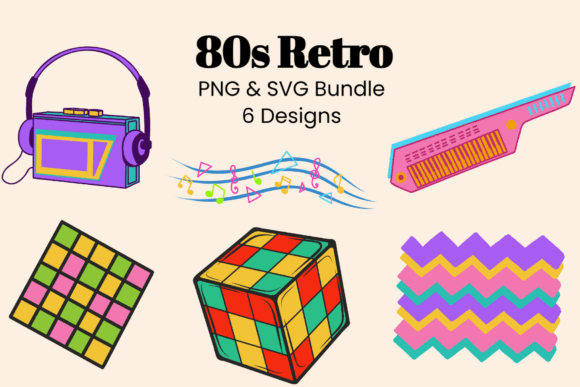
80s Retro Clipart Bundle Review
When I first pulled up the 80s Retro Clipart Bundle, my immediate thought was about nostalgia, but as a designer who stitches for a living, my second thought was always practical: how does this translate to thread? The era of neon boomboxes, geometric Rubik’s cubes, and synthwave aesthetics is undeniably popular in fashion right now. However, translating flat digital graphics into textured embroidery requires more than just a simple digitizing job. It demands an understanding of stitch density, color contrast, and fabric behavior. After spending time evaluating these illustrations for potential use in client projects and my own craft business inventory, I have formed some strong opinions on where this bundle shines and where it might cause headaches.
First Impressions and Visual Personality
The mood of this collection is loud, vibrant, and unapologetically bold. For an embroidery project to succeed in the current market, it needs to grab attention quickly, especially when displayed on social media or at a craft fair. These 80s-themed illustrations bring that energy. The shapes are distinct—boomboxes with clear speaker cones, cassette tapes with recognizable labels, and colorful geometric patterns that scream retro fun. From a design perspective, the visual personality is strong enough to stand alone without needing heavy embellishment.
However, "bold" can sometimes mean "complex." When looking at the detail level, you have to consider how small details will hold up after washing. A neon boombox might look stunning in a high-resolution PNG, but if the digitizer attempts to stitch tiny text or intricate lines within the speaker mesh, those details can disappear into the fabric fuzz. This bundle works best when the designs are treated as graphic blocks rather than delicate line art. The synthwave patterns, in particular, offer great opportunities for large fill areas that showcase thread sheen, which adds a premium feel to any handmade product.
Real-World Application: The Tote Bag Test
To truly understand the utility of these assets, I imagine them applied to a real-world scenario. Let’s say I am preparing a custom embroidered tote bag for an Etsy listing targeting young adults who love vintage aesthetics. A tote bag is a canvas that allows for larger designs, making it an ideal test bed for the 80s Retro Clipart Bundle.
If I were to place a large boombox graphic on the front panel of a canvas tote, the impact would be significant. The thick outlines typical of 80s clipart work well with satin stitches, creating a clean border that prevents fraying and defines the shape. The bright colors available in standard polyester embroidery threads—electric blues, hot pinks, and sunny yellows—would pop against natural cotton or denim backgrounds. This combination creates a custom apparel vibe that feels both nostalgic and contemporary.
Furthermore, considering the versatility of the bundle, I could mix and match elements. Perhaps a smaller cassette tape motif on the pocket area, paired with a larger patterned background. This layering technique elevates the finished product, making it feel like a boutique item rather than a mass-produced good. Customers appreciate this level of thoughtful design, which directly influences buyer engagement and perceived value.
Where to Exercise Caution
While the aesthetic is appealing, not every surface is suitable for these designs. There are specific situations where using this machine embroidery design requires careful planning.
- Small Hoop Sizes: If you attempt to stitch intricate details from this bundle into a very small hoop (under 4x4 inches), you risk losing definition. Tiny text on a cassette tape or fine lines on a Rubik’s cube may become muddy blobs. It is crucial to inspect small details before committing to production.
- Textured and Stretchy Fabrics: Embroidering on ribbed knit caps or heavily textured fabrics can distort the geometry of the 80s patterns. Stretchy fabrics require proper stabilizers to prevent puckering, which can warp the symmetrical nature of the clipart. Always test on scrap fabric first to check for distortion.
- Dense Stitch Areas: While fill stitches add texture, too much density can make the final piece stiff and uncomfortable. On items like baby clothes or lightweight tea towels, excessive stitching can reduce the softness and usability of the garment. Use running stitch or lighter fill options where possible to maintain fabric drape.
- Dark Fabric Backgrounds: The vibrancy of neon colors relies heavily on contrast. On dark fabrics, certain pastel or light neon shades may not show up clearly unless underlaid properly. Check thread color contrast by holding your thread samples against the fabric before starting the machine.
Technical Considerations for Designers
For those of us running a craft business or selling on platforms like Etsy, consistency is key. When digitizing or selecting files from this bundle, pay close attention to the stitch density. Designs that are too sparse may look unfinished, while those that are too dense may break needles or jam the machine. If you are unsure about the technical specifications of the digital embroidery file, such as exact stitch counts or recommended needle types, it is wise to consult the creator’s documentation or run a test stitch-out.
Another critical step is checking the licensing terms. Even though this is a graphic asset, its end-use determines whether you need a commercial license. If you plan to sell personalized gifts or small shop products featuring these designs, ensure you have the right to do so. Using these assets for personal use is straightforward, but commercial application requires due diligence to avoid legal issues.
Final Verdict on Product Value
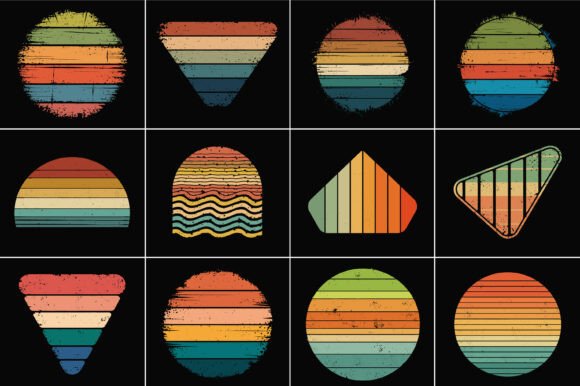
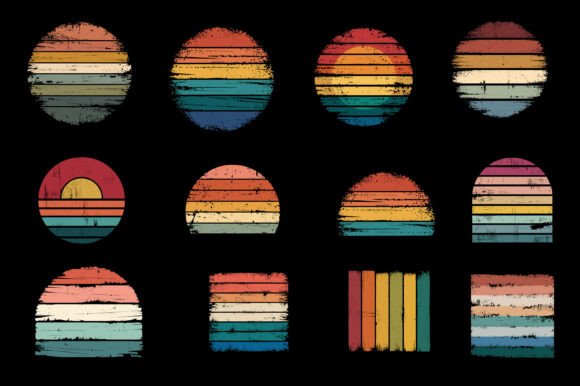
The 80s Retro Clipart Bundle offers a strong foundation for creating trendy, eye-catching embroidery projects. Its strength lies in its clear shapes and vibrant themes, which translate well to mediums like tote bag design, sweatshirt embroidery, and embroidered patches. It appeals to a broad audience, from hobbyists looking for fun weekend projects to professional decorators seeking reliable design assets.
However, success depends on execution. By testing on appropriate fabrics, managing stitch density, and ensuring proper contrast, you can turn these digital illustrations into high-quality physical goods. The bundle supports a wide range of applications, including holiday embroidery, baby embroidery, and commercial embroidery for brand merchandise. Just remember to review the technical details carefully and prioritize quality control in your production process.
In summary, this is a versatile set that captures the spirit of the decade while offering practical possibilities for modern makers. With the right approach, it can significantly enhance your design assets library and help you create memorable handmade products that resonate with customers. Whether you are decorating a kitchen towel or branding a new clothing line, these designs provide a solid starting point for creative expression.