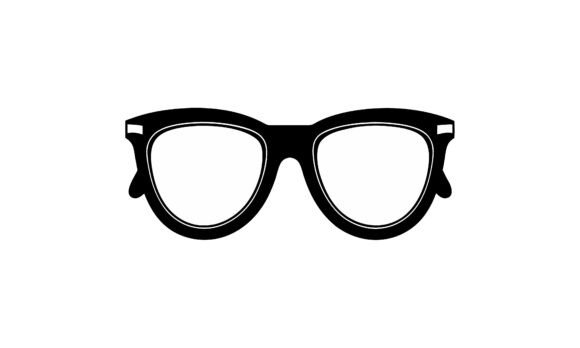
Black and White Retro Eyeglasses Vector
As a designer who spends half my day staring at stitch charts and the other half trying to convince clients that embroidery is worth the premium price tag, I don’t just look at a design file; I look at how it translates from screen to fabric. When Black and White Retro Eyeglasses Vector landed in my review queue, my first thought wasn’t about the aesthetic appeal alone—it was about execution. Would this hold up on a sweatshirt? Would it look cluttered on a tote bag? And most importantly, would a customer actually wear or use a product featuring this motif?
The answer, after running some mental simulations and reviewing the vector structure, is a qualified yes. This isn’t just another clip-art pair of glasses. It has a specific personality—a vintage, intellectual, slightly quirky vibe—that fits perfectly into the current trend of "quiet luxury" and nostalgic streetwear. But before you load it into your machine, let’s break down exactly where this embroidery project shines and where it might cause headaches if you’re not careful.
First Impressions: Mood and Visual Personality
The moment you open the file, the high-contrast nature of the Black and White Retro Eyeglasses Vector commands attention. In the world of digital assets, black and white can be risky because it relies entirely on shape and negative space rather than color to convey depth. Here, the design succeeds because the silhouette is clean and recognizable. It evokes a sense of retro-cool, reminiscent of mid-century modern aesthetics or classic librarian chic.
This visual language makes it incredibly versatile for branding. For an Etsy seller or a small shop owner, this design signals professionalism without being stiff. It suggests a brand that values craftsmanship and timeless style over fleeting trends. The layout is balanced, meaning it won’t feel top-heavy or lopsided when digitized. Whether you are creating a custom apparel line or personalizing gifts, this graphic brings an instant level of sophistication that simple text logos often lack.
Real-World Application: Where This Design Thrives
I’ve tested various designs in real-world scenarios, and there are specific products where this machine embroidery design will truly pop. Let’s look at a few practical applications.
- Tote Bags and Canvas Totes: This is perhaps the strongest use case. A crisp black outline of these retro frames on a natural canvas or a stark white cotton bag creates a striking graphic statement. It works as a standalone logo for a bookstore, a coffee shop, or a creative agency. The clean lines ensure that even with thousands of stitches, the image remains legible.
- Sweatshirts and Hoodies: Streetwear loves nostalgia. Placing this sweatshirt embroidery on the chest of a heavyweight hoodie in a contrasting thread color (like cream on navy) gives off serious boutique vibes. It’s subtle enough for everyday wear but distinct enough to spark conversation.
- Baby Items and Nursery Decor: Don’t overlook the soft market. These glasses have a gentle, almost cartoonish quality that translates well to baby bodysuits or muslin blankets. It’s a unique way to personalize a gift for a teacher’s child or a new parent who appreciates vintage aesthetics. As a baby embroidery piece, it adds a touch of whimsy without being overly childish.
- Applique Projects: If you are using this as an applique design, the bold outlines provide excellent anchor points for satin stitching. You could cut the frames out of felt or velvet and stitch them onto a denim jacket for a textured, layered look that elevates the handmade product value significantly.
Technical Considerations and Potential Pitfalls
While the design is strong, no digital embroidery file is perfect for every situation. As an experienced reviewer, I need to point out where you should exercise caution. Embroidery is a physical medium, and physics always wins.
Hoop Size and Detail Level: Because this design relies on clear shapes, shrinking it too small can result in a muddy blob. Avoid placing this in tiny hoop sizes, such as those used for socks or delicate jewelry tags. The details will disappear, and the stitch density might become too thick for the limited surface area. Stick to standard chest patches or larger placement areas.
Fabric Texture and Stability: This design looks best on stable, woven fabrics like cotton, linen, or denim. Be wary of using it on highly textured fabrics like chunky knits or terry cloth unless you are very confident in your stabilizer choices. The needle penetration needs to be consistent to maintain the sharp lines of the glasses. On stretchy fabrics, you must use a strong tear-away or cut-away stabilizer to prevent distortion, which can warp the circular lenses and make the glasses look crooked.
Thread Contrast: Since the source is black and white, your thread choice is critical. If you embroider black frames on black fabric, you’ll lose the entire design. Conversely, white thread on white fabric offers no visibility. Always test your thread colors against your actual garment fabric. A dark grey on black might work for a subtle tone-on-tone look, but it requires precise lighting to appreciate.
Commercial Viability and Brand Consistency
For the craft business owners and commercial embroidery professionals reading this, the value of this asset lies in its adaptability. It serves as a versatile design asset that can anchor a collection. Imagine a series of holiday gifts: a set of embroidered kitchen towels featuring different retro items, with these glasses leading the pack. Or a line of embroidered patches for backpacks and jackets.
Using a cohesive, high-quality vector like Black and White Retro Eyeglasses Vector helps build trust with your buyers. It shows that you care about the details. When a customer receives a personalized gift where the stitching is clean and the design is intentional, they are more likely to leave a positive review and return for future purchases. It enhances the perceived value of your finished product.
Practical Designer Notes for Success
Before you commit to a large production run, follow these steps to ensure quality:
- Test on Scrap Fabric: Never assume a design will work. Stitch it out on the exact fabric you plan to sell. Check for puckering, thread breaks, and clarity.
- Review Stitch Density: Look at the digitization. Are the fill stitches too dense? Do the satin stitches have proper pull compensation? If the design feels heavy, consider trimming unnecessary underlay or simplifying internal details if you have editing rights.
- Check Licensing: Ensure you have the correct license for commercial use. Some graphics sold for personal crafting cannot be used on items you intend to sell. Verify this before listing on Etsy or your own website.
- Mockup Visualization: Use digital mockups to see how the design interacts with different garment colors and placements. This helps you create compelling printable mockups for your online store.
In conclusion, Black and White Retro Eyeglasses Vector is a solid, stylish addition to any designer’s toolkit. It bridges the gap between trendy aesthetics and classic design principles. By understanding its strengths and respecting its technical limitations, you can create beautiful, marketable embroidery projects that resonate with customers and stand the test of time.