Design Review: Retro Checkered Flower Embroidery
As a designer who spends more time than I care to admit staring at stitch charts and testing fabric samples, I approach every new digital embroidery file with a healthy dose of skepticism. The market is flooded with generic graphics that look great on a screen but fall apart under the needle. That is why when I encountered the Retro Checkered Flower, Comfort Summer design, I decided to put it through its paces. This isn’t just about aesthetics; it is about whether this machine embroidery design holds up in real-world applications for small business owners, crafters, and serious hobbyists.
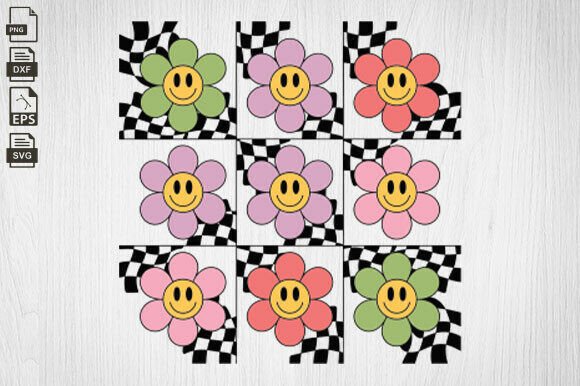
The immediate first impression of Retro Checkered Flower, Comfort Summer is one of nostalgic warmth. It captures that specific mid-century modern vibe that has been dominating interior and fashion trends for the last few years. The visual personality is cheerful yet structured, relying on a geometric floral motif that feels intentional rather than chaotic. For an Etsy seller or small shop product creator, this kind of recognizable aesthetic is gold. It signals "handmade" and "curated" simultaneously, which is exactly what buyers are looking for in today’s competitive marketplace.
Real-World Application: The Custom Tote Bag Scenario
To truly evaluate any embroidery project, you have to imagine it on a finished product. Let’s take a practical scenario: preparing a custom embroidered tote bag for a summer boutique collection. I visualized placing the Retro Checkered Flower, Comfort Summer design centered on a heavy cotton canvas bag in a neutral oatmeal color. The contrast between the crisp lines of the checkered pattern and the soft texture of the canvas creates an immediate sense of quality.
In this context, the design does not feel like a clip-art afterthought. Instead, it acts as a focal point. When customers browse online listings, they are often scrolling quickly. A clean, bold graphic like this stops the scroll. It suggests durability and style. If I were marketing this as a personalized gift for a teacher or a mother, the "Comfort Summer" theme resonates emotionally. It implies ease, brightness, and relaxation—values that shoppers want to associate with their purchases. The design elevates a basic tote into a branded asset, making it suitable for commercial embroidery projects where brand consistency matters.
Performance on Apparel and Accessories
While totes are a strong candidate, the versatility of Retro Checkered Flower, Comfort Summer extends well beyond bags. In my review, I considered how this graphics category item translates to textiles. For sweatshirt embroidery, the geometric nature of the flower works beautifully against the heathered texture of French terry or fleece. The retro checkered pattern provides enough visual weight to stand out without overwhelming the garment.
I also evaluated its potential for baby embroidery. There is something inherently sweet about applying a stylized, non-realistic flower to a onesie or burp cloth. The design is playful but not childish, making it appropriate for unisex gifts. Furthermore, for holiday embroidery or seasonal drops, this design fits seamlessly into spring and summer collections. It pairs effortlessly with pastel thread colors or bright primary shades, allowing creators to offer variations without needing entirely new design files.
For custom apparel decorators, this design is particularly useful for caps and hats. However, this brings us to a critical consideration regarding placement and scale. The design has a distinct shape that requires a certain amount of breathing room. On a curved surface like a cap front panel, the distortion must be managed carefully during digitizing or hooping. If the curve is too aggressive, the symmetry of the checkered pattern could become visually jarring. Testing on a practice piece is essential here.
Where Caution Is Required
No design is perfect for every situation, and being honest about limitations is part of a professional review. There are specific scenarios where Retro Checkered Flower, Comfort Summer might struggle:
- Small Hoop Sizes: If you attempt to shrink this design too much for tiny accents, such as on a child’s sock or a miniature patch, the intricate details of the checkered pattern may merge together. Fine lines can disappear, leaving a muddy blob rather than a crisp flower.
- Textured or Stretchy Fabrics: While sturdy fabrics like denim or canvas handle this design well, thin jersey knits or highly textured bouclé fabrics can distort the geometry. Without proper stabilizer support, the stitch density required for the fill areas might cause puckering.
- Dense Stitch Areas: Depending on the digitizing, large solid fills can become stiff. For items that need to remain soft to the touch, such as a baby blanket or a delicate pillow cover, excessive stitching can reduce comfort. Always inspect the stabilizer choice to ensure it supports the fabric without adding unnecessary bulk.
- Dark Fabric Challenges: If you plan to use light threads on dark fabric, the contrast is usually good. However, if the design relies on subtle tonal variations within the checks, dark backgrounds might swallow those nuances. Test your thread colors against your actual fabric swatch before committing to a production run.
Technical and Commercial Considerations
From a business perspective, the value of a digital product lies not just in its appearance but in its usability. The fact that this listing includes multiple formats (SVG, EPS) is a significant advantage for hybrid creators who might want to use the graphic for both embroidery and print-on-demand mockups. Having these design assets allows you to create cohesive branding across different product lines.
Before using this design for resale, several technical steps are non-negotiable. First, always test the design on scrap fabric that matches the weight and stretch of your final product. This reveals how the running stitch and fill stitch interact with the material. Second, review the stitch density. If the design feels too dense, consider simplifying the internal details or adjusting the thread tension. Third, confirm the licensing terms. As a buyer and reviewer, I cannot stress enough the importance of verifying whether you have commercial rights to sell finished items made from this embroidery file. Assuming rights can lead to costly legal issues down the line.
Visual Appeal and Customer Trust
Ultimately, the goal of any craft business is to build trust. Customers can often tell the difference between a mass-produced sticker and a genuine embroidered piece. A well-executed Retro Checkered Flower, Comfort Summer design demonstrates attention to detail. When the edges are clean, the colors are vibrant, and the placement is symmetrical, it signals professionalism. This enhances the perceived value of the finished product, allowing you to command a higher price point.
Moreover, the "retro" trend has a broad appeal. It taps into a sense of nostalgia that transcends age groups. By offering products featuring this design, you are tapping into a cultural moment that resonates with many buyers. Whether it ends up on a kitchen towel, a nursery wall hanging, or a tote bag design for a farmer's market, the design carries a positive emotional charge.
Final Verdict
Retro Checkered Flower, Comfort Summer is a solid addition to any designer’s library. It balances aesthetic charm with structural clarity, making it suitable for a wide range of embroidery projects. From applique design possibilities to standard satin and fill stitches, it offers flexibility for creative interpretation. While it requires careful handling on difficult fabrics and small scales, its strengths far outweigh its limitations.
For the maker or creative entrepreneur looking to expand their catalog with trendy, high-quality designs, this file delivers. It encourages experimentation with color palettes and fabric choices, fostering a deeper connection with your craft. Just remember: the magic happens in the execution. Take the time to test, refine, and present your work with pride. When done right, a simple flower design becomes more than just a decoration—it becomes a signature of your brand.