Halloween Svg Dancing Skeletons Review
When I pull a new digital asset into my design software, I am rarely looking at just a picture. I am looking at how it will behave under the needle. As an embroidery designer who has spent years troubleshooting tension issues and refining digitizing techniques for small businesses, I know that the difference between a mediocre handmade product and a best-selling boutique item often comes down to the quality of the underlying design file. Recently, I took a close look at Halloween Svg Dancing Skeletons, a graphic marketed toward crafters and digital sellers. Below is my practical evaluation of how this design performs in real-world stitching scenarios, from initial visual impact to final production viability.
First Impressions and Visual Personality
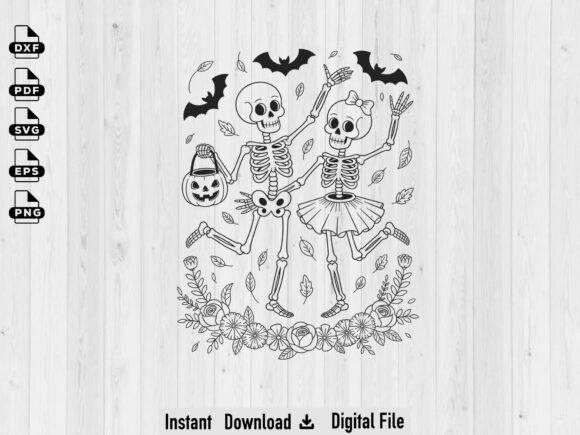
The moment you load Halloween Svg Dancing Skeletons onto your screen, the mood is immediately established. It leans heavily into a retro aesthetic, which is currently dominating the handmade market. The dancing pose suggests movement and fun rather than horror, making it a versatile choice for a wide range of audiences. For designers, this is crucial. A design that is too scary limits your customer base; one that is playful opens doors to family-friendly markets, baby gifts, and casual apparel.
From a layout perspective, the composition feels balanced. The figures are distinct enough to be recognized instantly but detailed enough to reward closer inspection. When evaluating a design like this, I always ask: does it have character? This one does. It has a quirky, festive energy that translates well to physical media. However, the "retro" style means the lines are likely bold and stylized. This is generally good news for embroidery, as clean lines are easier to stitch accurately than intricate, sketchy textures that can get lost in thread.
Real-World Application in Embroidery Projects
Let’s talk about where this design actually shines. I recently imagined using Halloween Svg Dancing Skeletons for a custom embroidered tote bag design intended for a local craft fair. The high contrast of the skeleton figures against a canvas or denim background would pop beautifully. Because the design is centered and relatively compact, it fits perfectly within standard hoop sizes, allowing for quick turnaround times during busy holiday seasons.
For small shop product creators, this file is ideal for sweatshirt embroidery. The retro vibe pairs exceptionally well with heavyweight cotton blends often used in hoodies and crewnecks. I also see strong potential here for apron embroidery. A kitchen towel or a chef’s apron featuring these dancing skeletons adds a touch of humor to holiday gatherings. It transforms a functional item into a memorable personalized gift.
Another angle to consider is embroidered patch creation. If you sell patches on Etsy, this design’s clear silhouette makes it easy to define edges. Whether you use a satin stitch border or a cut-away backing, the dancing motif stands out clearly. It also works well for cap embroidery, though as we will discuss later, curvature requires careful planning. For baby embroidery, such as onesies or burp cloths, the playful nature of the skeletons makes it a safe, cute option for parents who want seasonal flair without being overly macabre.
Where to Exercise Caution
No design is perfect for every surface. There are specific situations where Halloween Svg Dancing Skeletons might present challenges. If you plan to stitch this on textured fabrics like heavy tweed or loose-weave linen, you may lose some of the finer details. The thread might not lay flat against a bumpy surface, causing the skeleton's features to blur.
Furthermore, avoid placing this design on stretchy knits without proper stabilization. While the design itself may not be excessively dense, any movement in the fabric during stitching can lead to puckering. Similarly, if you attempt to embroider this on dark fabric, ensure your thread colors provide sufficient contrast. A black skeleton on a navy shirt might disappear entirely. Always test color combinations before committing to a full production run.
Be mindful of small hoop sizes. If you try to force a larger version of this design into a tiny 4x4 inch hoop, you risk losing the integrity of the dancing poses. The legs and arms might become indistinguishable blobs of thread. Stick to recommended dimensions to maintain clarity. Also, avoid placing this on curved surfaces like baseball caps unless you have experience with multi-hooping or specialized cap frames. The horizontal alignment of the skeletons might distort if the fabric stretches unevenly around the curve.
Impact on Product Value and Brand Consistency
Using a well-composed design like Halloween Svg Dancing Skeletons directly influences perceived value. Customers can often tell when a product was made with care versus rushed production. Clean stitches, accurate registration, and appropriate scale signal professionalism. When a buyer sees a crisp, well-executed embroidery job, their trust in your brand increases. They are more likely to leave positive reviews and return for future purchases.
This design supports brand consistency because its retro theme is timeless yet trendy. It allows you to create a cohesive collection. Imagine matching this skeleton design with other retro Halloween motifs, such as pumpkins or witches, all stitched in a similar color palette. This creates a recognizable aesthetic for your craft business. In terms of buyer engagement, humorous and festive designs tend to perform well on social media platforms. A photo of someone wearing a sweatshirt with these dancing skeletons is highly shareable content.
Practical Designer Notes for Production
Before you upload Halloween Svg Dancing Skeletons to your machine or send it to a client, follow these essential steps:
- Test on Scrap Fabric: Never assume a design will stitch perfectly on the first try. Use a scrap piece of the same fabric type to check tension and stability.
- Check Stitch Density: Ensure the stitch density is appropriate for the fabric weight. Too much density on light fabric causes puckering; too little on heavy fabric looks sparse.
- Review Thread Colors: Compare your chosen thread colors against the fabric. A black and white mockup can help you visualize contrast levels before you commit to expensive threads.
- Inspect Small Details: Zoom in on the digitized file. Are there any tiny elements that might break or tangle? Simplify if necessary.
- Confirm Stabilizer Needs: Heavy stabilizers are often needed for knitwear, while lighter ones suffice for woven cottons. Match the support to the material.
- Verify Licensing: This is critical for Etsy sellers and commercial embroidery professionals. Confirm whether you have the right to sell finished items made from this design. Some files are for personal use only.
Final Verdict
Halloween Svg Dancing Skeletons is a solid addition to any designer’s library for the autumn season. Its playful retro charm makes it accessible to a broad audience, and its clean lines make it suitable for various embroidery applications. From tote bags to pillow covers, this design offers flexibility and visual appeal. By paying attention to fabric choice, stabilization, and licensing, you can turn this digital asset into a profitable, professional finished product that customers will love.
Remember, the success of your embroidery project depends as much on your technique as it does on the design file. Take the time to prep properly, and let the fun personality of the dancing skeletons shine through in your work. Whether you are creating a holiday gift for a friend or stocking shelves for your handmade shop, this design provides a reliable foundation for creative expression.