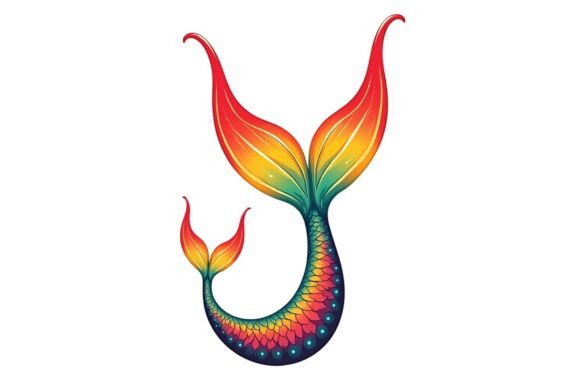
Retro Groovy Cartoon Mermaid Art Review
As a designer who spends half my life staring at stitch charts and the other half worrying about whether a client’s logo will survive a wash cycle, I don’t just buy graphics because they look cute on a screen. I buy them because they translate. The world of digital design assets is flooded with pretty images, but very few are actually ready for the needle. When I first pulled up Retro Groovy Cartoon Mermaid Art, I didn’t just see a mermaid; I saw a potential bestseller for my Etsy shop, provided it held up under the scrutiny of real-world embroidery.
This review isn’t about how the image looks in a browser window. It’s about how this machine embroidery design behaves when it hits the hoop, how it interacts with thread tension, and whether it adds enough perceived value to justify the time and labor involved in stitching it out. If you are an Etsy seller, a small business owner, or a crafter looking to elevate your handmade products, here is my practical breakdown of using this specific graphic asset.
First Impressions: Mood and Market Fit
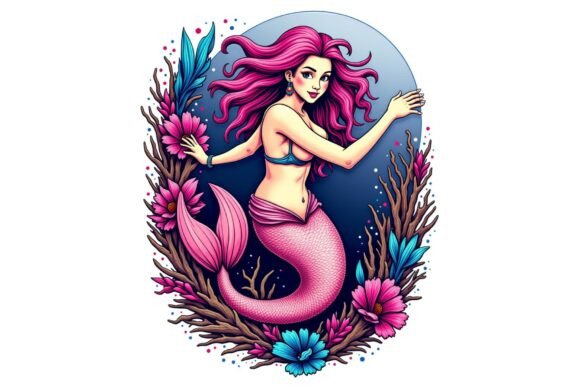
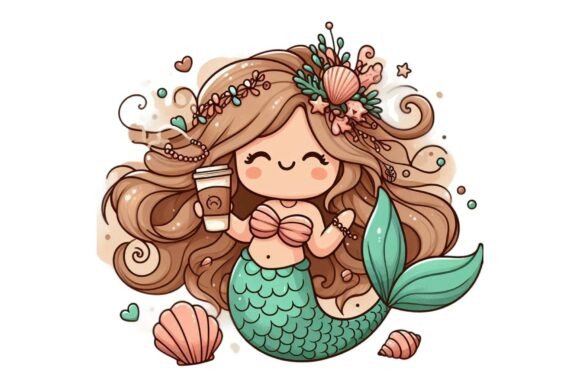
The immediate draw of Retro Groovy Cartoon Mermaid Art is its distinct personality. We are seeing a saturation of minimalist line art and overly complex floral fills in the craft market right now. This design cuts through that noise with a bold, nostalgic vibe. The "groovy" aesthetic—think 70s color palettes, wavy lines, and playful cartoon proportions—creates an instant emotional connection. It feels fun, approachable, and slightly whimsical without being childish.
From a branding perspective, this visual language works exceptionally well for custom apparel and lifestyle goods. It doesn’t scream "baby shower" exclusively, nor does it limit itself to "nursery decor." Instead, it bridges the gap between Gen Z nostalgia and millennial cottage-core trends. For a craft business, this versatility is gold. You can position this as a trendy accessory for teenagers or a unique gift for adults who appreciate retro aesthetics. The mood is relaxed, which makes the finished product feel like something people actually want to wear or use daily, rather than a novelty item that gets put away in a closet.
Real-World Application: Where Does It Shine?
I took this concept into the studio and mentally mapped it onto several common embroidery project types. Here is where Retro Groovy Cartoon Mermaid Art truly earns its keep:
- Tote Bag Design: Canvas totes are the bread and butter of craft fairs. A large-scale version of this mermaid on a natural canvas tote creates a striking contrast. The groovy curves soften the ruggedness of the fabric, making the bag feel more curated and less generic.
- Sweatshirt Embroidery: Heavy cotton fleece can sometimes distort delicate designs. However, the bold outlines and solid shapes typical of this cartoon style are forgiving. Placing this on the chest of a cropped sweatshirt or centered on the back creates a statement piece that stands out in printable mockups.
- Baby Embroidery: While the vibe is retro, the cartoon nature keeps it soft enough for children’s items. On a muslin blanket or a hooded towel, the bright colors pop beautifully. It serves as a perfect personalized gift for modern parents who want something that isn’t the standard pastel cloud.
- Embroidered Patch: This design translates effortlessly into a patch format. The clear boundaries make it easy to add a satin stitch border, creating a durable accessory for denim jackets or backpacks. Patches have high perceived value, and this design gives you a premium look.
For the digital product seller, this graphic is also valuable. Even if you aren’t offering the physical embroidery file, having high-quality PNGs allows you to create stunning previews. Customers trust shops that show realistic representations of their products. Using this art in your design assets library ensures your listings look cohesive and professional.
Technical Considerations and Stitching Challenges
Here is where we get practical. Not every pretty picture stitches well. When evaluating Retro Groovy Cartoon Mermaid Art, I looked closely at the detail level and how it might behave on different materials.
Hoop Size and Density: The intricate details in the mermaid’s hair or tail scales need adequate space. If you try to shrink this down too much for a tiny hoop size, those fine lines will merge into a muddy blob. I recommend keeping the minimum width above 3 inches to maintain clarity. If the design relies heavily on running stitch for texture, ensure your machine can handle the density without puckering the fabric.
Fabric Texture and Stability: This design looks fantastic on stable, woven fabrics like cotton twill or denim. However, be cautious with stretchy fabric or loose weaves like jersey knit unless you are using heavy-duty stabilizer. The groovy waves could distort if the fabric stretches during stitching. For aprons or kitchen towels, which undergo frequent washing, ensuring a strong bond between the thread and fabric is critical. A tear-away stabilizer might not be enough for long-term durability on these items.
Thread Color Contrast: The success of this design hinges on color choice. Because the art is likely vibrant, using low-contrast threads (like light yellow on white) will result in a washed-out look. I advise testing thread colors against your base fabric. Dark fabrics often require a backing layer or a contrasting applique base to make the mermaid pop. Always check your stitch density settings; if the fill stitches are too dense, the fabric will become stiff and uncomfortable, especially on custom apparel worn next to the skin.
Where to Use It Carefully
While versatile, there are places where this design should be used sparingly or avoided:
- Small Accessories: Avoid placing this on very small items like socks or tiny jewelry pouches. The detail will be lost, and the cost of digitizing and stitching may outweigh the product value.
- Curved Surfaces: Stitching on the curved crown of a cap requires careful hooping. If the design has straight geometric elements, they may warp unpleasantly on a round surface. Test this on scrap material first.
- Thin Fabrics: On sheer fabrics, the stabilizer residue might be visible after removal. In these cases, consider using a cut-away stabilizer or applying a lightweight interfacing beforehand.
Final Verdict: Is It Worth the Investment?
After analyzing the visual appeal, marketability, and technical requirements, Retro Groovy Cartoon Mermaid Art scores highly for designers looking to add variety to their catalog. It offers a fresh take on a classic motif, allowing you to tap into the retro trend without feeling dated.
For the small shop product owner, this design provides a quick win. It requires minimal customization—you can simply change the thread colors to match seasonal trends—and delivers a high-end look. Whether you are creating holiday embroidery gifts or expanding your commercial embroidery offerings, this asset fits seamlessly into your workflow.
However, remember that the file is just the starting point. The magic happens in your execution. Take the time to test the design on scrap fabric. Inspect the satin stitch edges for smoothness. Check the fill stitch coverage. And most importantly, confirm the licensing terms before selling finished items. If the license allows for commercial use, this design is a powerful tool to boost your brand consistency and customer engagement.
In the end, Retro Groovy Cartoon Mermaid Art is more than just a clipart; it’s a strategic addition to any serious embroiderer’s toolkit. It balances charm with commercial viability, making it a smart choice for anyone looking to turn creative ideas into tangible, sellable products. Just remember: good design starts with a great file, but a great finished product comes from careful preparation and skilled stitching.