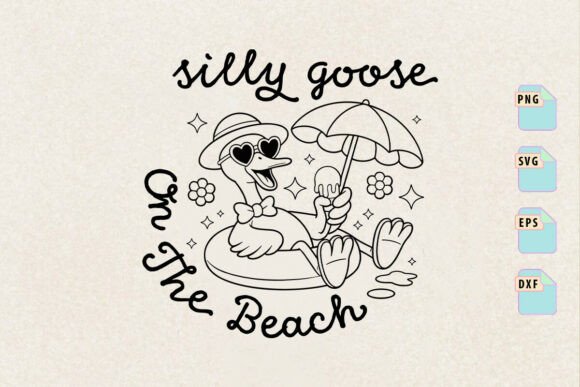
Retro Silly Goose PNG Review
As a designer who spends half my day staring at stitch charts and the other half worrying about client satisfaction, I don’t just look at a design file; I look at its potential. When I first pulled up the Retro Silly Goose PNG, I wasn’t just seeing a cute bird. I was immediately thinking about fabric tension, thread sheen, and whether this would hold up on a busy weekend at a craft fair. This review breaks down how this digital asset translates from a screen to a finished product, specifically for those of us in the Crafts and Graphics space who need reliable, high-impact designs.
First Impressions: The Vibe Check
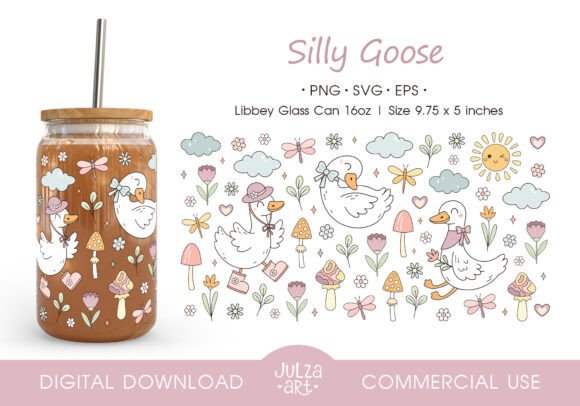
The moment you load the Retro Silly Goose PNG, the mood is instantly set. It’s not trying to be serious or overly intricate. It leans heavily into that nostalgic, slightly chaotic energy that defines modern retro aesthetics. For an embroidery project, this is crucial because it tells you exactly where to focus your attention. The visual personality here is bold and approachable. It doesn’t rely on delicate, hairline details that might get lost in the stitching process. Instead, it offers strong shapes and clear lines that promise a clean finish even on a standard home machine.
I found myself immediately imagining this on a chunky knit sweatshirt or a crisp canvas tote bag. The "Silly Goose University" theme suggests a playful, academic, or perhaps just generally goofy tone. This makes it incredibly versatile for personalized gifts. It’s the kind of design that makes a customer smile before they even ask what it costs. For small business owners, that emotional connection is half the battle won. It feels like a handmade product that has soul, rather than a mass-produced sticker slapped onto merchandise.
Real-World Application: Where Does It Shine?
Let’s talk about actual use cases. I recently had a client request a quirky but professional-looking patch for their team’s casual Fridays. The Retro Silly Goose PNG was perfect for this. Because the design is rooted in custom apparel trends, it bridges the gap between humorous and trendy. Here is how I see this performing in specific scenarios:
- Tote Bag Design: Canvas is forgiving. The retro colors will pop against natural or black canvas. This is a staple item for Etsy sellers looking for quick-turnaround items.
- Sweatshirt Embroidery: Heavy fabrics hide minor imperfections well. A centered chest placement or a large back print works beautifully here. The design’s weight balances out the bulk of the fabric.
- Baby Embroidery: For onesies or nursery decor, the softness of the retro palette (assuming appropriate thread choices) adds a gentle touch. It’s unique enough to stand out among typical floral or animal motifs.
- Embroidered Patch: If you are creating detachable patches, the clear boundaries of the goose make trimming and edge finishing much easier. It looks intentional and polished.
This isn’t just a machine embroidery design; it’s a branding asset. For creative entrepreneurs, using a cohesive theme like this helps build recognition. When customers see that distinct retro style repeatedly, they start to associate it with your shop’s identity. It elevates your craft business from random listings to a curated collection.
The Stitching Reality Check
While the graphic looks great on screen, embroidery is a physical medium. The Retro Silly Goose PNG likely contains areas that require different stitch types. You’ll want to look closely at how the design handles transitions. Areas that might be solid color in the PNG could translate to dense fill stitch areas in the hoop. If the density is too high, you risk puckering, especially on lighter fabrics.
Conversely, any text elements should be evaluated for legibility. If there is smaller lettering involved in the "University" aspect, ensure it remains readable after stitching. Large, bold fonts are safe, but tiny details can disappear under layers of thread. Always inspect the stitch density before committing to a full production run.
Where to Be Careful: Limitations and Risks
No design is universal, and the Retro Silly Goose PNG has its constraints. Understanding these will save you headaches and ruined inventory.
- Small Hoop Sizes: Avoid placing intricate versions of this design in hoops smaller than 4x4 inches unless you are sure the detail level scales down cleanly. Tiny stitches often look muddy and lack definition.
- Textured Fabrics: While linen and burlap have charm, they can obscure fine lines. On a highly textured surface, the "retro" smoothness of the original graphic might get lost. Stick to smoother cottons or blends for the best impact.
- Stretchy Fabrics: If you are embroidering on jersey knits or spandex blends, you must use a proper stabilizer. Without it, the tension of the threads will warp the fabric, distorting the goose’s shape. This is critical for custom apparel like t-shirts.
- Dark Fabric: Ensure your thread colors provide enough contrast. Retro palettes often include pastels or muted tones. On black fabric, these might look dull unless you use a bright underlay or white backing. Test this beforehand.
- Frequent Washing: If this is for a kitchen towel or apron that will be washed often, check the durability of the satin stitches. Loose ends or high-friction areas may fray over time if not trimmed and secured properly.
Practical Designer Notes for Success
Before you hit the start button on your machine, follow these steps to ensure the Retro Silly Goose PNG delivers a professional result.
Test on Scrap Fabric: Never assume a design will work perfectly on your final material. Use a scrap piece of the same fabric and stabilizer combination. This lets you see how the thread colors interact with the weave and how the fabric reacts to the needle penetration.
Check Black and White Mockups: Convert your design preview to grayscale. This helps you identify if certain parts of the goose blend together or if there is enough contrast between the body, wings, and background. Good contrast equals good readability.
Stabilizer Strategy: Depending on your fabric, you might need cut-away stabilizer for stretchy materials or tear-away for stable wovens. Using the wrong type can lead to unsightly holes or shifting designs. Proper stabilization is the difference between a cheap-looking job and a boutique-quality piece.
Licensing and Commercial Use: Since you are likely looking to sell finished products or create digital product previews, double-check the license terms associated with the Retro Silly Goose PNG. Some files are for personal use only, while others allow commercial sales of physical goods. Clarifying this protects your small shop product line from legal issues.
Final Verdict
The Retro Silly Goose PNG is a strong contender for anyone looking to add a touch of humor and nostalgia to their embroidery project list. It strikes a balance between being eye-catching and technically feasible for most embroidery machines. Whether you are making a personalized gift for a friend or stocking your shelves with holiday embroidery items, this design has the potential to drive engagement and sales.
It fits seamlessly into the world of commercial embroidery and design assets because it appeals to a broad audience. It’s not too niche, yet distinctive enough to stand out. By paying attention to fabric choice, stitch quality, and proper finishing, you can turn this simple PNG concept into a memorable finished product. Just remember: test, stabilize, and trust your eye. If the design makes you laugh when you’re stitching it, chances are your customer will love wearing it.