Spooky Dude, Cool Ghost, Retro Halloween
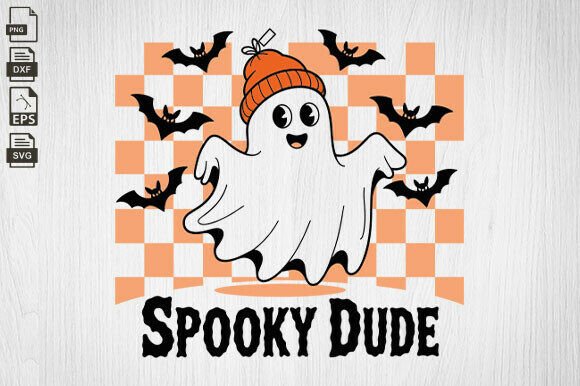
As a designer who spends half my life staring at stitch charts and the other half arguing with embroidery machines, I don’t just look at a design file; I look at how it will behave on fabric. When I pulled up Spooky Dude, Cool Ghost, Retro Halloween, I didn’t just see a cute ghost. I saw a potential bestseller for a small business owner, or perhaps the perfect centerpiece for a holiday-themed handmade gift. But before you hit that download button and start stitching, let’s break down what this machine embroidery design actually brings to the table in terms of practical application, aesthetic appeal, and commercial viability.
The First Impression: Mood and Visual Personality
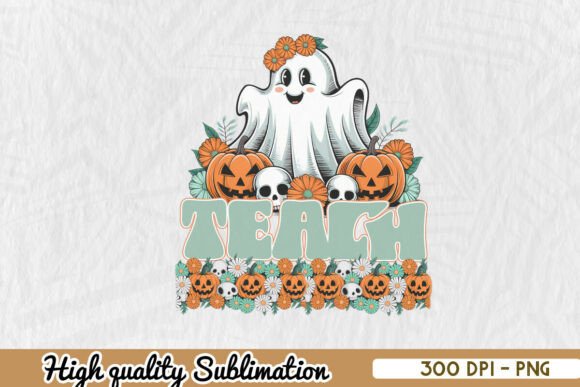
The name itself does a lot of heavy lifting. "Retro" suggests a specific color palette and line weight—likely clean, bold, and nostalgic rather than overly intricate or delicate. In the world of embroidery project files, retro styles tend to perform exceptionally well because they rely on strong shapes rather than tiny, fragile details that can get lost in the thread. This embroidery file likely leans into that territory, offering a playful yet polished look that fits seamlessly into the current trend of cozy, vintage-inspired home decor and apparel.
The visual personality here is approachable. It isn’t trying to be scary; it’s aiming for "cool." This distinction matters immensely when you are designing for a broad audience. A truly frightening ghost might limit your market to niche horror fans, but a "cool" ghost appeals to everyone from toddlers to teenagers. It creates a mood that is festive without being overwhelming, making it an ideal candidate for holiday embroidery collections that need to feel welcoming rather than aggressive.
Real-World Application: Where Does This Design Shine?
Let’s talk about real use cases. If I were building a product line for an upcoming craft fair or refreshing my Etsy shop, where would I place Spooky Dude, Cool Ghost, Retro Halloween? The versatility of this design allows it to bridge several categories effectively.
- Custom Apparel: This is the most obvious application. Placing this design on a heavyweight cotton sweatshirt or a soft jersey t-shirt creates instant value. The retro aesthetic pairs beautifully with neutral tones like cream, heather grey, or muted mustard, allowing the design to pop without clashing. For sweatshirt embroidery, the stability of the fabric supports the design structure perfectly.
- Baby Items: There is a massive market for non-scary seasonal items for infants. A onesie or a baby blanket featuring this ghost design offers a safe, adorable option for parents who want to participate in the holiday spirit without introducing spooky imagery to their little ones. This falls squarely into the realm of baby embroidery, where cuteness is the primary driver of purchase decisions.
- Home Decor and Kitchen Textiles: Tea towels and kitchen aprons are high-margin, low-complexity products. Because these items are used frequently, they make excellent personalized gifts. The design’s simplicity ensures it won’t look out of place in a modern farmhouse kitchen, while still adding a touch of seasonal flair. It transforms a basic utility item into a handmade product with character.
- Tote Bags and Accessories: Canvas tote bags are a staple for any craft business. A single, centered placement of this ghost design on a natural canvas bag looks professional and chic. It serves as a great example of a tote bag design that doesn’t require complex digitizing to look expensive.
Technical Considerations and Stitch Behavior
From a technical standpoint, not all designs are created equal. When evaluating a digital asset like this, you have to think about the mechanics of the stitch. Designs labeled as applique design options often provide cleaner edges and less thread usage, which reduces the risk of puckering. However, even if this is a standard fill and satin stitch combination, the retro style usually implies manageable stitch density.
One critical factor is the stitch density. If the ghost shape relies on dense fills, you need to ensure your fabric has enough body to support it. Thin fabrics like silk or lightweight rayon may pucker under the tension of the threads. Conversely, sturdy fabrics like denim or canvas will hold the design beautifully. Always check the recommended hoop size for the file. If the design is intended for a 4x4 hoop, it is versatile enough for most personal machines, whereas larger designs might require a commercial multi-head machine, limiting your production capacity if you are a solo operator.
Another technical note involves the thread colors. Retro palettes often involve high-contrast combinations. You must test these against your chosen fabric background. A white ghost on a white shirt won’t show, obviously, but even subtle off-whites can disappear depending on the lighting. Running the design through a black-and-white mockup filter before purchasing or printing can help you visualize the contrast levels accurately.
Where to Exercise Caution
While this design has wide appeal, there are scenarios where it might struggle. Avoid placing intricate embroidery designs on highly textured fabrics like chunky knits or fleece unless you are using a stabilizer specifically designed for those materials. The texture can distort the stitch path, leading to a muddy appearance. Similarly, stretchy fabrics like spandex blends require careful stabilization to prevent the design from warping during wear and washing.
If you plan to use this on curved surfaces like baseball caps, ensure the digitizing includes appropriate underlay stitches to keep the design flat against the curve. Without proper underlay, the top layers of thread can bridge gaps, especially in areas with tight curves or sharp angles.
Commercial Viability and Brand Consistency
For the Etsy seller or small shop product creator, the question is always: "Will this sell?" The answer lies in presentation. A printable mockup is essential here. Show the ghost on a variety of backgrounds—a rustic wooden table, a cozy living room setting, or modeled by a person wearing a fall outfit. These visuals help buyers imagine the finished product in their own lives.
This design also speaks to brand consistency. If your shop focuses on wholesome, family-friendly seasonal goods, this fits perfectly. It builds trust because it aligns with customer expectations for quality and tone. It is not a generic clip-art look; it feels curated. That curation is what drives buyer engagement and encourages repeat purchases.
Final Verdict and Practical Next Steps
Spooky Dude, Cool Ghost, Retro Halloween is a solid addition to any designer’s library. It balances aesthetic charm with practical embroidery considerations, making it suitable for everything from quick personal gifts to a batch of commercial merchandise. Its retro vibe ensures it stays relevant longer than trendy, fleeting designs.
Before you commit to mass production, follow these practical steps:
- Test on Scrap Fabric: Always run a sample on the exact fabric you intend to use. Check for puckering, thread breaks, or misalignment.
- Verify Licensing: Ensure you understand the terms of use. Can you sell finished items? Are there restrictions on digital resale? Clarifying this protects your commercial embroidery business.
- Inspect Small Details: Zoom in on the digital file. Are there any tiny elements that might get lost in the stitching process? If so, consider simplifying the design in your digitizing software.
- Check Stabilizer Needs: Determine if you need cut-away or tear-away stabilizer based on the fabric type and design density.
By taking these precautions, you transform a simple digital embroidery file into a professional, market-ready asset. Whether you are creating a unique personalized gift or expanding your design assets inventory, this ghost design offers a reliable, stylish foundation for your next creative venture.