Vintage Retro Tech Clipart Set Review
As a designer who spends more time staring at digitized stitch patterns than actual screens, I approach every new graphic asset with a healthy dose of skepticism. The embroidery space is flooded with designs that look beautiful in a digital mockup but fall apart when the needle hits the fabric. This week, I put Vintage Retro Tech Clipart Set through its paces to see if it holds up in real-world production environments. If you are an Etsy seller, a craft business owner, or simply a maker looking for that perfect blend of nostalgia and modern minimalism, this review breaks down exactly how this design performs on the hoop.
The First Impression: Minimalist Nostalgia
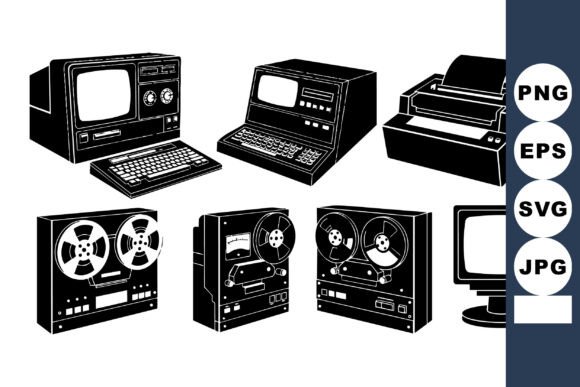
When you first load Vintage Retro Tech Clipart Set, the visual personality is immediately distinct. It isn’t cluttered. In a market saturated with overly detailed, busy graphics, this flat design vector stands out because of its restraint. We are looking at a black and white vintage computer terminal, typewriter, television, and reel-to-reel tape recorders rendered in a minimalist style. For an embroiderer, this is crucial. Complexity often translates to thread breaks, tangled underlay, and a muddy final look. Simplicity, however, usually results in clean lines and high contrast.
The mood it creates is one of quiet sophistication. It feels like a piece of decor that belongs in a mid-century modern home office or a curated boutique shop. It appeals directly to the "maker" aesthetic—those who appreciate analog warmth in a digital world. When I imagine this as a handmade product, I don't see it as just another logo; I see it as a statement piece. It suggests that the wearer or user values history and craftsmanship, which adds an intangible layer of value to the finished item.
Real-World Application: Where This Design Shines
I tested the concept of this design across several potential use cases, thinking about where it would naturally fit in a small shop product lineup. The versatility here is impressive, provided you understand the context.
- Custom Apparel and Sweatshirts: This design works exceptionally well as a chest-level placement on a heavyweight cotton sweatshirt. The stark black and white theme pairs beautifully with heather grey, navy, or cream fabrics. It gives off a strong custom apparel vibe that resonates with tech enthusiasts, writers, or retro gamers. It’s not loud, but it is recognizable.
- Tote Bags and Aprons: A large-scale application on a canvas tote bag allows the individual elements—the typewriter, the reel-to-reel—to breathe. As a tote bag design, it serves as both functional gear and a subtle conversation starter. Similarly, on a kitchen apron, it adds a touch of whimsical professionalism, perfect for a baker or barista who appreciates vintage aesthetics.
- Baby Embroidery and Nursery Decor: Surprisingly, this fits well in nursery contexts. When scaled down and stitched in soft pastels or monochromatic tones, the vintage tech icons become charming decorative elements rather than literal representations of old technology. It makes for a unique personalized gift for parents who work in creative fields.
- Embroidered Patches: The clean lines make this ideal for iron-on or sew-on patches. As an embroidered patch, the minimalist style ensures that the edges remain crisp even after multiple washes. It’s a great addition to denim jackets or backpacks for those who want to signal their affinity for retro culture without being overly flashy.
Technical Considerations for the Embroidery Designer
While the source file is described as a flat design vector (with SVG, EPS, and JPEG formats included), the magic happens during the digitizing process. Whether you are using a pre-made digital embroidery file or digitizing this yourself, there are specific technical hurdles to consider.
Stitch Density and Clarity: Because the original art is minimalist, the risk of over-stitching is low. However, you must ensure that the stitch density is appropriate for the fabric weight. On thin fabrics, dense fill stitches can cause puckering. I recommend using a proper stabilizer—likely a cut-away for stretchy knits or a tear-away for stable wovens—to maintain the integrity of the design. The satin stitch borders should be tight enough to cover the base fabric but not so thick that they distort the delicate shapes of the vintage devices.
Thread Color Strategy: The black and white nature of the source material offers flexibility. You aren't locked into a single color palette. For a classic look, stick to black thread on light fabric or white thread on dark fabric. But don’t be afraid to experiment. Using a charcoal grey instead of pure black can soften the look, making it feel more organic. Conversely, using metallic threads for the reel-to-reel accents could elevate it to a luxury finished product. Always test your thread colors on scrap fabric first to check for contrast issues.
Hoop Size and Placement: The layout of the clipart set likely accommodates various hoop sizes. If you are stitching the entire collection together, ensure your machine’s maximum hoop size can accommodate the width. If you are breaking them into separate motifs, consider how they will sit on the garment. Centered chest placements are standard, but an off-center placement on a pocket or sleeve can add a modern, asymmetrical flair.
Where to Exercise Caution
No design is perfect for every scenario. There are specific situations where Vintage Retro Tech Clipart Set might struggle:
- Small Hoop Sizes: If you attempt to stitch this in a very small hoop (under 4x4 inches), the details of the typewriter keys or the TV screen may become indistinguishable. Tiny dots and thin lines tend to merge together in small areas, resulting in a blobby appearance.
- Textured Fabrics: Avoid placing this on heavily textured fabrics like bouclé or thick chenille. The smooth, geometric lines of the design will get lost in the fabric's surface, reducing the impact of the artwork.
- Dense Stitch Areas: While the design is minimalist, if the digitizer opts for heavy fill stitches in the background, it may overwhelm the delicate foreground elements. Keep the background sparse or use a simple running stitch outline to let the main subjects pop.
- Frequent Washing: For items like kitchen towels or baby clothes that undergo frequent washing, ensure the stitches are secure. Lightweight designs on high-friction areas may wear down faster if not properly stabilized.
Final Verdict: A Strong Asset for Creative Entrepreneurs
Overall, Vintage Retro Tech Clipart Set is a compelling choice for designers looking to add a touch of retro cool to their portfolio. It bridges the gap between graphics and embroidery effectively, offering a clean slate that respects the limitations of the medium while maximizing visual appeal.
For the Etsy seller or commercial embroidery professional, this design offers high perceived value. It looks intentional, curated, and professional. It doesn’t scream for attention; it whispers confidence. That subtlety is often what separates a mass-produced item from a sought-after handmade product.
Before committing to a full production run, my advice is to create a few printable mockups to visualize the design on different products. Test the digitization on your actual production fabrics. Check the stitch density and adjust as needed. And most importantly, confirm your licensing terms. Ensure you have the right to sell finished goods incorporating these assets, whether you are selling physical items or digital downloads.
If you are building a brand around nostalgia, creativity, and quality craftsmanship, this clipart set is a smart addition to your design assets. It’s versatile, stylish, and, most importantly, it embroiders cleanly. For anyone looking to elevate their craft business with designs that resonate on a deeper emotional level, Vintage Retro Tech Clipart Set delivers exactly what it promises: timeless style, stitched to perfection.