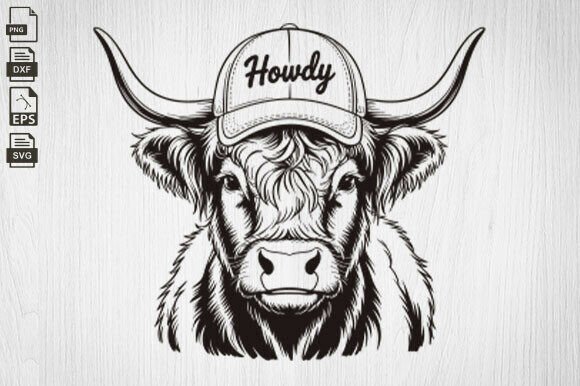
Howdy Cow Retro Western Design Review
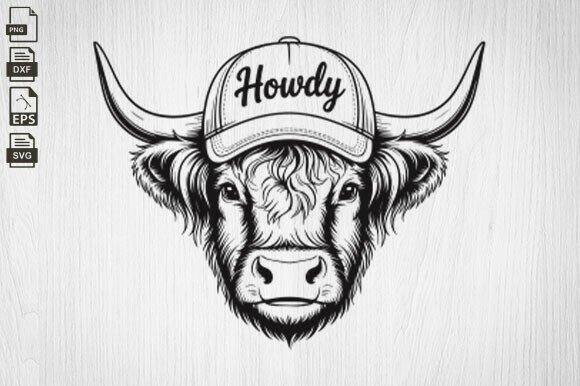
As a designer who spends half the day sketching and the other half troubleshooting stitch errors, I don’t just look at an embroidery file; I look at how it will behave under the needle. When I first pulled up Howdy Cow, Retro, Western, Cowgirl, Cowboy, my immediate reaction wasn’t about the keywords—it was about the vibe. This design carries a distinct nostalgic weight, leaning heavily into that mid-century Americana aesthetic that is currently dominating the handmade market. It feels less like a generic clipart vector and more like a piece of vintage signage you might find in a dusty roadside diner or on the back of a worn denim jacket.
The mood here is playful yet rugged. The typography suggests a retro stamp, while the cow imagery anchors it in classic western territory. For those of us selling on Etsy or running small craft boutiques, this kind of thematic clarity is gold. Customers scrolling through feeds for personalized gifts or custom apparel often stop because the theme speaks to them before they even read the description. This design hits that sweet spot between cute and cool, making it versatile enough for a baby’s nursery but edgy enough for a teenager’s tote bag.
Real-World Application: From Screen to Stitch
I recently used a similar western-themed asset to create a custom embroidered patch for a client’s leather satchel, and seeing how Howdy Cow, Retro, Western, Cowgirl, Cowboy translates from digital graphic to physical textile requires some careful planning. Let’s talk about where this design shines in real-life scenarios.
First, consider the tote bag design potential. Canvas bags are a staple for craft fair sellers, and this design’s bold lines would pop beautifully against natural cotton canvas or black duck cloth. The retro color palette implied by the title suggests high contrast, which is crucial for legibility in machine embroidery. However, I wouldn’t rush straight to production. Before committing to a batch of fifty bags, I always test the stitch density on scrap fabric. If the fill stitches are too dense, the fabric will pucker; if they are too sparse, the backing will show through. This design appears to have a balanced structure, likely relying on clean outlines and moderate fills, which makes it forgiving for both beginners and seasoned pros.
Another strong use case is sweatshirt embroidery. Chunky knits can hide detail, so you want a design with strong visual anchors. The "Howdy" text likely serves as that anchor. Placing this on the chest of a heather grey sweatshirt, paired with earth-tone thread colors, creates a cohesive, boutique-quality look. It also works exceptionally well for aprons in a farmhouse-style kitchen. Imagine this stitched onto a white linen apron with burnt orange thread—it becomes not just a tool, but a statement piece for home cooks who love rustic decor.
For baby embroidery, this design offers a unique twist. While pastel florals dominate the market, parents are increasingly looking for gender-neutral or character-driven options. A soft cream onesie with this western motif, stitched in muted sage or dusty rose, stands out. It’s memorable, gift-worthy, and fits the current trend of "mini-me" fashion where kids wear what their parents love.
Where to Exercise Caution
No design is perfect for every surface, and Howdy Cow, Retro, Western, Cowgirl, Cowboy is no exception. There are specific situations where this file might struggle if you aren’t prepared.
Small hoop sizes are the first red flag. If the original artwork contains intricate details—like tiny whiskers on the cow or fine serifs on the letters—you need to ensure your hoop size allows for sufficient resolution. Attempting to downscale a complex design often results in muddy stitching where individual stitches blend together into a blurry mess. If you plan to put this on a cap or a small baby bib, inspect the digitization closely. If the corners are sharp and the lines are thin, you may need to simplify the design manually or accept that it won’t render perfectly at 4x4 inches.
Fabric texture is another critical factor. This design relies on clear shapes. On highly textured fabrics like bouclé wool or heavy terry cloth, the stability of the stitches can be compromised. The needle might struggle to penetrate consistently, leading to skipped stitches or distortion of the stabilizer. Similarly, stretchy fabrics like spandex blends require a strong tear-away or cut-away stabilizer to prevent the design from warping during washing. If you’re working with dark fabric, remember that light-colored threads may require an additional layer of stabilizer or a top-stitch pass to ensure opacity and coverage.
Curved surfaces, such as baseball caps, present their own challenges. While the design itself might be flat, applying it to a curved brim or crown requires precise hooping techniques. If the design has large solid areas, it may bridge over curves awkwardly, creating gaps or tension issues. Always test on a dummy cap first to check how the running stitch and satin stitch edges conform to the curvature.
Designer’s Checklist for Success
To get the most out of this digital embroidery file, follow these practical steps before you start your craft business orders.
- Test on Scrap Fabric: Never assume a design looks good on screen. Stitch it out on the exact fabric you intend to use. Check for puckering, thread breaks, and alignment.
- Check Thread Color Contrast: Ensure the chosen thread colors provide enough contrast against your fabric. High contrast equals higher perceived value and better readability.
- Review Stitch Density: Look at the fill stitch patterns. Are they too tight? Too loose? Adjust the settings in your embroidery software if necessary to match your fabric type.
- Inspect Small Details: Zoom in on the lettering and any decorative accents. Are there any tiny elements that might get lost or cause threading issues?
- Black and White Mockup: Convert your design to grayscale to see if the composition holds up without color distractions. Good design should work in monochrome.
- Confirm Licensing: Since this is a commercial embroidery consideration, verify the license terms. Can you sell finished items? Is there a limit on units? Do not skip this step to avoid legal headaches later.
Final Verdict
Howdy Cow, Retro, Western, Cowgirl, Cowboy is a strong contender for anyone looking to add a touch of rustic charm to their product line. It bridges the gap between hobbyist fun and professional quality, provided you respect the technical limitations of machine embroidery. Whether you are creating a holiday gift set, updating your Etsy listings, or designing merchandise for a local brand, this file offers a reliable foundation.
The key to success lies in preparation. Treat the file as a starting point, not a guarantee. Test thoroughly, choose your materials wisely, and let the design’s inherent personality shine through. When done right, this isn’t just an embroidery project; it’s a conversation starter for your customers. It signals that you care about aesthetics, quality, and the little details that make handmade products special. So, load up your hoops, pick your best threads, and get ready to bring this western vibe to life.
In the world of Crafts and Graphics, versatility is king. This design fits comfortably into categories ranging from apparel decorators to nursery decor. It’s a smart addition to any design assets library, offering broad appeal without being overly niche. Just remember: the best embroidery comes from thoughtful execution. Use this guide to ensure your final finished product reflects the high standards your customers expect.