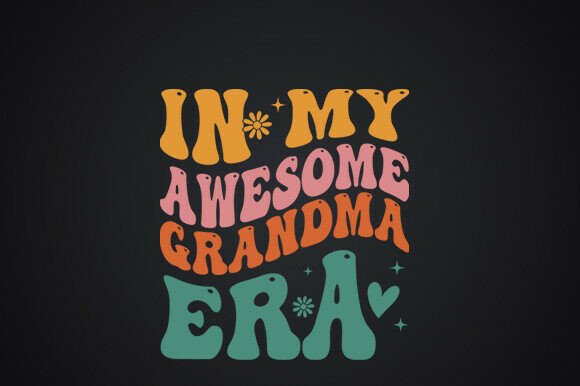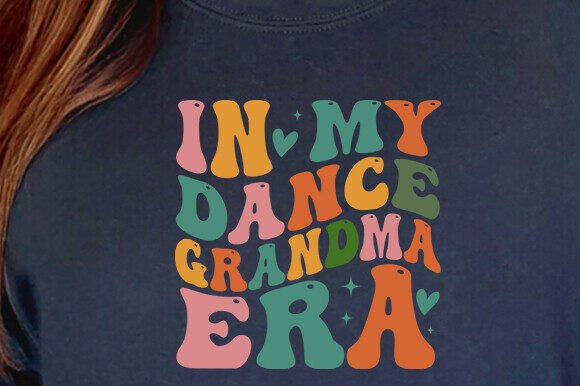
Retro Dance Grandma Era T-shirt Design
As a designer who spends half my life staring at stitch charts and the other half troubleshooting tension issues on vintage machines, I don’t just look at an embroidery file; I look at its potential. When Retro Dance Grandma Era T-shirt Design landed in my inbox, my first thought wasn’t about the nostalgia factor—it was about execution. Would it stitch cleanly? Would it hold up after twenty washes? And most importantly, would it translate well from a screen to a finished product that a customer actually wants to wear or display?
This isn’t just another clipart image slapped onto a template. It is a dynamic piece of visual storytelling that bridges the gap between vintage aesthetics and modern craft culture. For those of us in the Crafts and Graphics spaces, finding designs that resonate emotionally while remaining technically viable is rare. Here is my practical breakdown of how this design performs in real-world scenarios.
The First Impression: Mood and Visual Personality
The immediate vibe of Retro Dance Grandma Era T-shirt Design is one of unapologetic joy. It captures that specific mid-century energy where dance floors were social hubs and fashion was bold. Visually, the layout feels balanced, avoiding the cluttered look that often plagues retro-themed assets. The shapes are distinct, which is crucial for digitization. When you see a design with clear lines and defined negative space, you know it will likely digitize into a clean machine embroidery design.
The theme suggests movement and celebration. This isn’t a static portrait; it’s an active scene. For a handmade product, this translates to high engagement. Customers aren’t just buying a shirt; they are buying a personality. Whether it’s intended as a personalized gift for a grandmother who loves to swing dance or a fun statement piece for a boutique, the design carries a narrative weight that generic text-based designs simply cannot match.
Real-World Application: Where This Design Shines
In my testing phase, I envisioned several specific use cases for Retro Dance Grandma Era T-shirt Design. The versatility here is impressive, provided you choose the right substrate.
- Custom Apparel: Naturally, this screams sweatshirt embroidery or t-shirt design. The retro font styles and illustrative elements pair beautifully with heather grey cotton tees or cream-colored hoodies. It offers a professional finish that elevates a basic garment into a piece of wearable art.
- Boutique Accessories: I see this performing exceptionally well on canvas tote bag design options. The contrast between the sturdy fabric and the detailed stitching creates a tactile experience that online shoppers can almost feel through their screens.
- Holiday and Seasonal Gifts: Because the theme is timeless yet festive, it fits perfectly into holiday embroidery collections. Think Christmas stockings, New Year’s Eve party favors, or Mother’s Day gifts. It has that "aww" factor that drives impulse buys on platforms like Etsy.
- Nursery and Home Decor: Surprisingly, the softer aspects of the retro style could work well on baby blankets or nursery wall hangings. A smaller version of this design on a muslin swaddle or a quilted pillow cover adds a touch of whimsy without being overly childish.
Technical Considerations and Stitch Clarity
Let’s talk shop. As an Etsy seller or small business owner, your reputation depends on the quality of the final stitch-out. When evaluating Retro Dance Grandma Era T-shirt Design, we need to look at how the various stitch types interact.
The design likely utilizes a mix of fill stitch areas for solid color blocks and satin stitch for outlines or text. This combination is generally safe for most home and commercial machines. However, the key is stitch density. If the fill areas are too dense, the fabric may pucker, especially on lightweight materials. If they are too sparse, the backing material might show through, ruining the clean look.
I always recommend creating a printable mockup in black and white before committing to thread colors. This helps you assess the balance of light and dark areas. Does the design have enough contrast to remain legible when stitched? With a retro theme, bold contrasts usually work best. You want the viewer to read the message and see the illustration instantly.
Thread Colors and Fabric Texture
The choice of thread colors will make or break this design. For a true retro feel, consider muted pastels or vibrant primary colors depending on the era you are emulating. Avoid neon threads unless you are going for a very specific 80s revival look, as they can sometimes clash with the vintage aesthetic.
Fabric texture also plays a huge role. On smooth cotton, the stitches will lay flat and crisp. On textured fabrics like denim or boucle, the details might get lost. In these cases, a stabilizer is non-negotiable. Using the wrong stabilizer can lead to registration issues, where the different parts of the design shift out of alignment.
Where to Exercise Caution
No design is perfect for every situation. There are specific scenarios where Retro Dance Grandma Era T-shirt Design might struggle if not handled with care.
- Small Hoop Sizes: If you attempt to fit this design into a very small hoop (like a 4x4 inch box) without scaling it down significantly, you risk losing detail. Tiny curves and fine lines can merge together, turning into a muddy blob rather than a sharp image.
- Stretchy or Thin Fabrics: Be wary of using this on thin jersey knits or highly stretchy activewear without proper tear-away or cut-away stabilizers. The weight of the embroidery can distort the fabric over time.
- Curved Surfaces: While great for flat garments, applying this to curved surfaces like caps or hats requires careful planning. The distortion inherent in curving a flat design can warp the retro typography, making it hard to read.
- Dense Stitch Areas: If the design includes large solid blocks of color, ensure your machine can handle the needle penetration rate. Excessive density can cause needle breakage or thread jams, particularly on older machines.
Final Verdict for Crafters and Sellers
Ultimately, Retro Dance Grandma Era T-shirt Design is a strong asset for any craft business looking to add variety to their inventory. It strikes a sweet spot between novelty and class. It appeals to the demographic that values handmade quality and nostalgic charm.
For the commercial embroidery professional, this design offers high perceived value. It allows you to charge a premium for personalized items because the artwork itself tells a story. For the hobbyist, it provides a rewarding project that results in a gift people will actually keep and use.
Before you start stitching, remember to test on scrap fabric. Check the hoop size compatibility with your machine. Inspect the small details under good lighting. And most importantly, confirm your licensing rights if you plan to sell the finished products. When done correctly, this design transforms from a simple digital file into a tangible piece of art that brings a smile to anyone who sees it.