Retro Microphone Embroidery Review
As a designer who spends more time staring at stitch lines than sleeping, I approach every new file with a mix of excitement and skepticism. We have all seen the endless streams of generic music notes and basic mic shapes flooding marketplaces. So, when I pulled up Retro Microphone, I wasn’t just looking for another clip-art style graphic; I was looking for something that would hold up under the scrutiny of a real-world embroidery machine and, more importantly, appeal to customers browsing Etsy or walking through a craft fair booth.
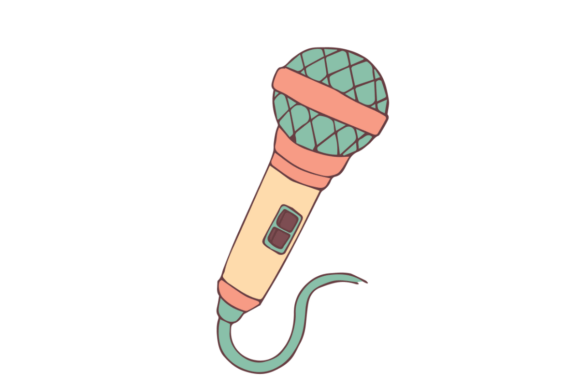
This is a playful and colorful illustration of a retro-style microphone with a coiled cord, ideal for music-themed crafts, digital designs, or creative projects with a vintage or karaoke vibe. But does it translate well from screen to fabric? After running some test stitches and visualizing several finished product scenarios, here is my honest breakdown of how this design performs in practice.
The First Impression: Mood and Visual Personality
The immediate draw of this design is its nostalgic charm. It doesn’t try to be a hyper-realistic photograph of a Shure SM58; instead, it leans into a stylized, illustrative aesthetic. For an embroidery project, this is actually a huge advantage. Realism often fails in thread because the machine cannot replicate subtle gradients or complex shading without creating a muddy mess. This design relies on bold shapes and clear outlines, which are the bread and butter of clean stitching.
The mood is upbeat, fun, and slightly kitschy in the best way possible. It evokes images of 1960s radio stations, basement bands, and lively karaoke nights. When you look at the layout, the coiled cord provides a nice opportunity for texture work, while the main body of the microphone offers solid areas for fill stitches. It feels like a design meant to make people smile, which is exactly what you want for handmade products and personalized gifts.
Real-World Application: Where Does It Shine?
I spent some time mentally mapping out where Retro Microphone would fit best in a small business inventory. The versatility here is impressive, but certain applications stand out as natural fits.
- Custom Apparel and Sweatshirts: Imagine this centered on the chest of a cream-colored crewneck sweatshirt. The contrast between the soft fabric and the structured embroidery gives it a premium feel. It works beautifully for band merch, DJ apparel, or simply for someone who loves music culture. The vintage vibe pairs perfectly with heathered fabrics.
- Tote Bag Design: A canvas tote bag is a staple for any crafter. Placing this design prominently on the front creates an instant conversation starter. Because the design is graphic and bold, it remains legible even on the textured surface of canvas. It transforms a simple utility item into a statement piece for students, artists, or music lovers.
- Baby Embroidery and Nursery Decor: Don’t overlook the potential for baby items. A smaller version of this design stitched onto a muslin blanket or a onesie adds a whimsical touch. The colors are generally friendly and non-threatening, making it suitable for nursery wall hangings or crib bumpers (if used as a decorative patch). It taps into the "music theme" trend that is popular in modern nurseries.
- Embroidered Patch and Hats: This design translates exceptionally well as an embroidered patch. Whether sewn onto a denim jacket, a backpack, or a baseball cap, the distinct shape holds its own. On a cap, the curved surface can sometimes distort straight lines, but the organic curve of the coiled cord helps mask any minor tension issues, keeping the final product looking professional.
- Kitchen and Home Goods: For the home baker or coffee enthusiast, this could be a unique addition to an apron or a tea towel. It breaks away from the typical floral or food-themed embroidery, adding personality to kitchen textiles. It also works well on pillow covers for a media room or home theater setup.
Technical Considerations and Potential Pitfalls
While the design is strong, no embroidery file is perfect for every situation. As a reviewer, I need to highlight where caution is required to ensure your finished product looks polished.
Fabric Texture and Stability: The coiled cord likely uses a combination of satin stitches and possibly running stitches for detail. If you attempt this on a highly textured fabric like heavy tweed or a loose-weave linen, the fine details might get lost. Similarly, thin fabrics require a high-quality cut-away stabilizer to prevent puckering. Stretchy knits can be tricky; if the hoop tension isn't set correctly, the circular elements might warp. Always test on scrap fabric first to check how the thread interacts with your specific material.
Small Hoop Sizes: If you are working with a limited hoop size, you may need to downscale the design. However, shrinking too much can cause the dense stitch areas to become stiff and bulky. Check the stitch density before reducing the size. If the design becomes too small, the distinction between the microphone body and the cord might blur, losing the visual clarity that makes it appealing.
Color Contrast: The description mentions "colorful," which implies multiple thread colors. On dark fabric, you will need underlay stitches to make the colors pop. If you are using light threads on a dark background, ensure the thread weight is sufficient to cover the base fabric completely. Poor coverage is one of the quickest ways to make a professional-looking design appear amateurish.
Detailed Corners and Tiny Lettering: While there is no text mentioned in the core description, many users add names or dates. Be cautious about placing tiny lettering near the intricate curves of the coiled cord. It can create a cluttered look and increase the risk of needle strikes if the spacing is too tight. Leave some negative space around the design elements to let them breathe.
Design Notes for the Serious Crafter
To get the most out of this machine embroidery design, I recommend a few practical steps before committing to your final project.
- Mockup Testing: View the design in black and white on your screen. This helps you assess the balance of the composition without being distracted by color. Does the eye travel naturally from the microphone head down the cord? If the balance feels off digitally, it will likely feel off in person.
- Thread Color Selection: Experiment with thread combinations. A classic black and silver combo will give a sleek, modern-retro look. Alternatively, bright primary colors can lean into a playful, cartoonish aesthetic. Choose threads that match the intended mood of your handmade product.
- Licensing and Commercial Use: Before listing this on Etsy or selling finished goods, verify the license terms. Some digital embroidery files allow commercial use of the finished item, while others restrict it to personal use only. Respecting intellectual property protects your reputation as an Etsy seller or small shop owner.
- Stabilizer Choice: Use a stabilizer appropriate for the garment. For t-shirts, a tear-away might suffice, but for hats or bags, a cut-away is safer for long-term durability, especially for items that will undergo frequent washing.
Final Verdict
Retro Microphone is a solid addition to any embroidery library. It avoids the trap of over-complication while delivering a strong visual identity. It is versatile enough for custom apparel, charming enough for baby embroidery, and durable enough for everyday accessories. For designers looking to add a touch of musical flair to their craft business, this design offers a reliable foundation for creating engaging finished products. Just remember to respect the technical limits of your machine and fabric, and you will likely see great engagement from buyers who appreciate the blend of vintage style and modern craftsmanship.