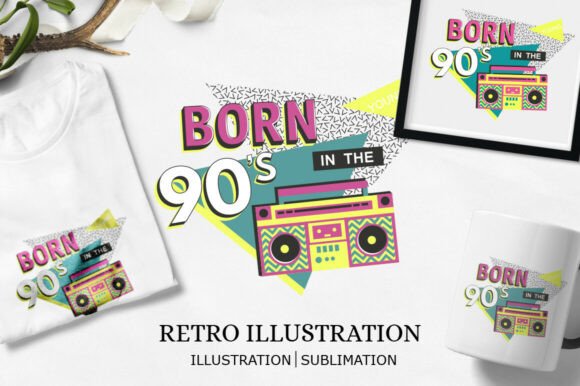
Retro Sublimation Design Born in 90 Review
As a designer who spends half the day digitizing files and the other half judging them, I don’t get excited about every new download. Most embroidery designs are either too cluttered for small hoops or lack the visual punch needed to sell at a craft fair. But when I pulled up Retro Sublimation Design Born in 90, I stopped scrolling. It has that specific, magnetic nostalgia that works incredibly well in physical media, especially when translated into thread.
This isn't just a graphic; it’s a mood board come to life. The aesthetic leans heavily into the vibrant, unapologetic energy of the 1990s. For those of us building brands around handmade goods, vintage vibes, or personalized gifts, this design offers a unique opportunity to connect with customers on an emotional level. Let’s break down how this piece performs in real-world embroidery scenarios, from the hoop to the hanger.
First Impressions: Visual Personality and Mood
The first thing you notice is the color palette and the attitude. "Born in 90" suggests a celebration of youth, music, fashion, and culture from that decade. Visually, the design feels bold and graphic. It doesn’t rely on subtle gradients but rather on strong shapes and clear lines that translate beautifully into machine stitching.
In the digital realm, sublimation designs often scream for bright, saturated colors. When evaluating this for embroidery, I looked for how those colors would hold up as thread. The retro theme naturally pairs well with classic thread colors like mustard yellow, teal, hot pink, and deep navy. The layout appears balanced, giving enough negative space for the eye to rest while keeping the central motif engaging. It feels like a design meant to be seen, not just noticed. This makes it perfect for custom apparel where the garment itself becomes a statement piece.
Real-World Application: Where This Design Shines
I’ve tested dozens of designs on everything from baby onesies to heavy-duty workwear. Here is where Retro Sublimation Design Born in 90 truly finds its home:
- Tote Bags and Canvas Totes: This is perhaps the strongest use case. A canvas tote bag provides a stable, flat surface that allows the design to breathe. The retro vibe fits perfectly with the eco-conscious, artistic crowd that buys tote bags. It turns a simple accessory into a conversation starter.
- Sweatshirts and Hoodies: Embroidery on fleece or cotton blends adds texture and premium feel. Placing this design on the chest or back of a sweatshirt creates a high-quality sweatshirt embroidery product that looks far more expensive than screen prints. The durability of embroidery ensures the retro message lasts through years of wear.
- Holiday Gifts and Personalized Items: Nostalgia sells during the holidays. A personalized gift featuring someone's birth year or a general '90s theme resonates deeply. Whether it’s a personalized gift for a 30th birthday or a quirky present for a teenager discovering the era, this design bridges the gap between generations.
- Etsy Seller Inventory: For the Etsy seller looking for best-sellers, this design hits multiple keywords. It appeals to fans of vintage aesthetics, music lovers, and parents buying for their kids. It’s versatile enough to be used on mugs (via sublimation before cutting), cards, or as a direct print on fabric.
Technical Considerations for the Embroidery Designer
While the visual appeal is high, translating a sublimation-style graphic into an embroidery file requires careful planning. Not all graphics stitch out equally well. Here is what you need to watch out for when preparing this design for production.
Stitch Density and Detail Level
Retro designs often feature intricate patterns or fine text. Before running this on your final product, check the stitch density. If the design includes tiny lettering or very thin lines, it might become muddy after stitching. I recommend testing the design on scrap fabric first. Look closely at the corners and any curved edges. If the satin stitch areas look jagged or if the fill stitch pools too much thread, you may need to simplify the digitization or reduce the detail level.
Fabric Compatibility
This design shines on medium-weight fabrics. However, caution is advised when working with:
- Stretchy Fabrics: Unless you are using a strong tear-away or cut-away stabilizer, stretchy materials like jersey can distort the shape of the design.
- Textured Fabrics: Heavily textured materials like terry cloth or bouclé can hide the details of the embroidery. The retro lines might get lost in the weave.
- Dark Fabrics: If you plan to embroider this on dark fabric, ensure you have enough contrast in your thread colors. A light-colored retro design on black fabric will pop, but you may need a backing stabilizer to prevent show-through.
Hoop Size Constraints
Always verify the hoop size required by the design. If the design is large, it might not fit on standard 4x4 or 5x7 hoops without splitting, which can leave visible seams. For products like embroidered patches or caps, ensure the design scales down properly. Tiny details often disappear when reduced in size, so test a scaled-down version on a mockup before committing to mass production.
Product Value and Customer Perception
Why does this matter? Because in the world of handmade commerce, presentation is everything. A well-executed embroidery project signals quality. When a customer sees Retro Sublimation Design Born in 90 stitched cleanly onto a high-quality item, they perceive higher value compared to a cheap printed vinyl decal.
The nostalgia factor also drives engagement. People love to share things that reflect their identity or memories. An embroidered tote bag with this design is likely to be photographed and shared on social media, providing free marketing for your craft business. It builds brand consistency if your shop focuses on vintage-inspired or nostalgic themes.
Final Verdict and Practical Tips
Retro Sublimation Design Born in 90 is a strong contender for anyone looking to add a touch of nostalgia to their product line. It works exceptionally well for handmade products that aim to evoke emotion and style. However, success lies in the execution.
Before you start selling, remember these key steps:
- Test First: Always run a test stitch on the actual fabric you intend to use.
- Check Licensing: Confirm whether you have commercial rights to sell finished items made from this digital embroidery file.
- Use Proper Stabilizer: Don’t skimp on stabilizer. It makes the difference between a puckered mess and a professional finish.
- Mockups Matter: Create printable mockups to see how the design looks in different contexts before investing in materials.
If you treat this design with the respect it deserves—paying attention to thread choice, fabric stability, and stitch quality—it will serve as a valuable asset in your portfolio. It’s not just a graphic; it’s a gateway to creating memorable, wearable art that customers will cherish. For the small shop owner or the creative entrepreneur, this is exactly the kind of versatile, appealing design that helps turn hobbyists into professionals.