Shield Silhouette Review: A Designer’s Take on Shields Svg
As a designer who spends more time looking at stitch lines than actual fabric, I approach every new digital embroidery file with a mix of skepticism and curiosity. When I first pulled down the Set of Shields Silhouette, Shields Svg., my immediate question wasn’t about the aesthetic—it was practical. How does this translate from a vector screen into a tangible, wearable, or displayable object? Does it hold up when stitched, or does it become a muddy mess of thread? After running through some mental mockups and reviewing the structural integrity of the shapes, here is my honest breakdown of how this design asset performs in real-world scenarios.
The First Impression: Bold Geometry Meets Heritage
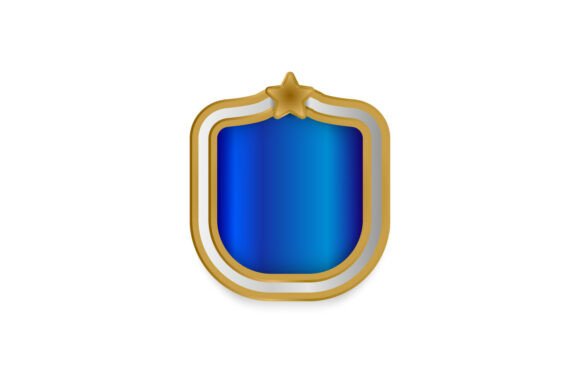
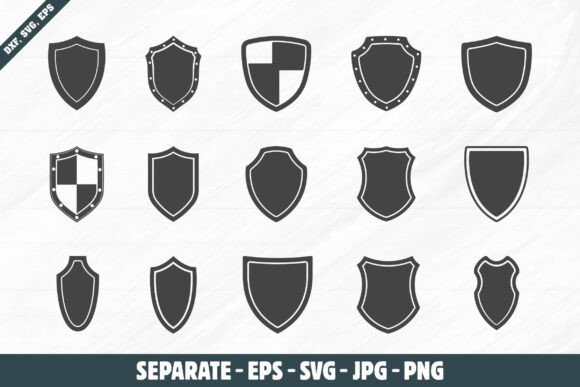
The visual personality of the Shields Svg set is defined by its confidence. It isn’t trying to be delicate or overly ornate; instead, it leans into strong, recognizable geometry. For an embroiderer, silhouettes like these are a double-edged sword. They offer high contrast and instant recognition, which is excellent for branding and logo work, but they demand precision in execution. The mood it creates is one of heritage, strength, and classic Americana. It feels right at home in a workshop, a vintage-style boutique, or a modern nursery that wants a touch of rugged charm rather than soft pastels.
What stands out immediately is the clean separation of elements. Because this is provided as a set, you have the flexibility to treat each shield as a standalone icon or layer them for depth. This versatility is crucial for craft business owners who need to adapt their designs for different product types without reinventing the wheel. The silhouette nature means that the success of the final piece relies heavily on your choice of fill stitches and thread colors, giving you creative control over the texture while maintaining the sharp outline of the original graphic.
Real-World Application: From Tote Bags to Baby Gear
I often test designs by imagining where they would sit in a customer’s life. For the Set of Shields Silhouette, Shields Svg., the applications are surprisingly broad. Let’s look at a custom embroidered tote bag design scenario. A large shield centered on a canvas tote creates an instant statement piece. It’s sturdy, masculine or feminine depending on the thread palette, and highly legible even from a distance. This works exceptionally well for Etsy sellers targeting teachers, librarians, or professionals who want something that looks polished but not corporate.
However, the true potential of this design shines in personalized gifts and baby items. Imagine a small shield appliqued onto a burp cloth or embroidered on the cuff of a baby sweatshirt. The simplicity of the shape allows it to age well—what is trendy today might be dated tomorrow, but a classic shield motif remains timeless. It fits perfectly into holiday embroidery projects, particularly those centered around family crests, team spirit, or patriotic themes. For a small shop product, this design offers high perceived value because it looks complex enough to be special but simple enough to produce efficiently.
In the realm of commercial embroidery, such as branded aprons or kitchen towels, the shield acts as a perfect anchor for a brand logo. You can place a monogram inside the shield or use the shield itself as the primary mark. It conveys trust and quality, which subtly influences buyer engagement. When a customer sees a well-executed shield emblem, they subconsciously associate it with durability and tradition, enhancing the overall appeal of the handmade product.
Where to Exercise Caution: Technical Constraints
No design is universally perfect, and knowing where the Shields Svg might struggle is just as important as knowing where it thrives. Embroidery is a physical medium, and limitations exist. One area to watch closely is small hoop sizes. If you attempt to stitch intricate details within a very small shield, the stitch density may become too high, causing the fabric to pucker or the needle to break. Always confirm the hoop size requirements before committing to a tiny application, such as a hat patch or a collar accent.
Fabric texture also plays a significant role. On highly textured fabrics like heavy tweed or loose-weave burlap, the clean lines of the shield silhouette can get lost. The thread may not lay flat against the bumps, resulting in a jagged edge. Similarly, stretchy fabrics require careful stabilization. Without a proper stabilizer, the tension of the satin stitch outlining the shield can distort the garment, leading to a wavy, unprofessional finish. Dark fabrics present another challenge; if you plan to use light-colored threads for a fill stitch, ensure you have enough coverage. Sometimes a backing layer or a contrasting underlay is necessary to prevent the dark fabric from showing through the lighter thread.
Additionally, be mindful of curved surfaces like caps. While a shield can be adapted for a cap front, the curvature can cause distortion in the stitching if not digitized specifically for that curve. If you are using a generic file, test it thoroughly on a scrap of similar material first. Avoid placing detailed corners or tiny lettering near the edges of the shield if you anticipate frequent washing, as wear and tear will degrade these fine points over time.
Designer’s Notes for Execution
To get the best results from this machine embroidery design, I recommend starting with a black and white mockup. This helps you visualize the balance between the negative space and the filled areas without being distracted by color. Pay close attention to the stitch density; a shield can easily become stiff if over-stitched. Using a combination of satin stitch for the borders and fill stitch for the interior ensures a professional look, but don’t forget the importance of thread colors. A metallic thread on the border can elevate a basic cotton shirt into a premium gift item.
Always inspect the small details in the digital preview. Are there any overlapping paths that might cause thread breaks? Does the design include separate files for applique, or is it purely stitched? The description mentions separate EPS, SVG, DXF, PNG, and JPG files, which suggests you have plenty of assets for creating printable mockups and marketing materials. This is a huge plus for design assets intended for resale or portfolio presentation. Use the PNG files to create clean previews for your online store, ensuring your customers know exactly what they are getting.
Finally, consider the end-use. If this is for a custom apparel project meant for daily wear, prioritize comfort and durability. If it’s for a decorative pillow cover or wall hanging, you can afford to be more experimental with textures and layered effects. Check the licensing terms carefully if you intend to sell finished items made from this embroidery project. Understanding whether you have commercial rights is essential for protecting your small shop product line.
Final Verdict
The Set of Shields Silhouette, Shields Svg. is a versatile, robust addition to any designer’s library. It bridges the gap between traditional heraldry and modern minimalism, making it suitable for everything from embroidered patches to high-end boutique branding. By respecting its technical limitations and leveraging its bold aesthetic, you can create personalized gifts and commercial embroidery pieces that stand out in a crowded market. It’s a reliable tool for any crafter or entrepreneur looking to add a touch of classic style to their craft business.