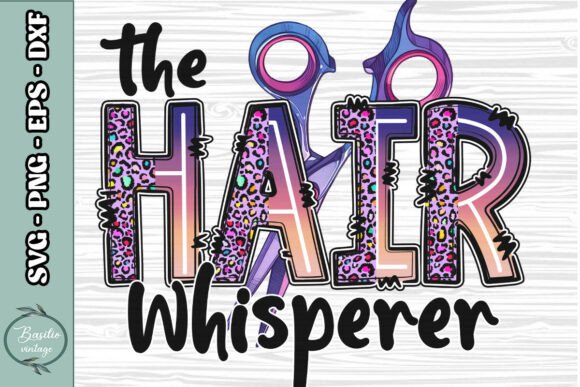
Retro The Hair Whisperer Design Review
As a designer who spends half my life staring at digitized stitch patterns and the other half trying to convince clients that "embroidery isn't just for polo shirts anymore," I approach every new digital asset with a mix of skepticism and hope. When Retro the Hair Whisperer Sublimation PNG landed in my inbox, I didn’t immediately think about embroidery. The title suggests sublimation, which usually means all-over printing on polyester. However, as someone who frequently bridges the gap between print-on-demand and traditional craft businesses, I wanted to see if this graphic could translate into a tangible, high-value embroidered product.
This review isn’t just about whether the image looks good on a screen. It is about how Retro the Hair Whisperer Sublimation PNG holds up when converted into a physical machine embroidery design, how it feels on fabric, and whether it has the commercial viability needed for an Etsy seller or boutique owner looking to expand their catalog.
The First Impression: Mood and Visual Personality
The moment you load the file, the retro aesthetic jumps out. The typography and illustration style evoke a specific era—likely the late 70s or early 80s—with a playful, slightly ironic tone. For an embroidery project, visual personality is everything. A design needs to communicate its message instantly, even when stitched into fabric where fine lines can sometimes get lost.
In the context of custom apparel, this design strikes a balance between whimsical and trendy. It appeals directly to the hair care niche, salon owners, and anyone with a sense of humor about their mane. The layout appears clean enough to be legible but detailed enough to showcase the capabilities of modern digitizing software. It doesn’t scream "corporate uniform"; instead, it whispers "handmade gift" or "statement piece." This distinction is crucial for craft business owners who want to avoid mass-market aesthetics.
The Graphics category often implies flat images, but when we talk about adapting this for embroidery files, we are looking at how those graphic elements break down into stitches. The retro vibe suggests bold shapes and clear contrasts, which are ideal for satin stitch applications. If the original PNG has soft gradients, a skilled digitizer will need to convert those into distinct color blocks to maintain clarity on fabric.
Real-World Application: Where Does This Fit?
I spent some time mentally mapping out where Retro the Hair Whisperer Sublimation PNG would actually sell. Embroidery is tactile, so the end product must feel substantial. Here is how I envision this design performing in real-life scenarios:
- Sweatshirt Embroidery: This is perhaps the strongest use case. A cropped hoodie or an oversized crewneck featuring this design hits the current fashion trend perfectly. The retro theme pairs naturally with the comfort and casual nature of sweatshirts. It works as a chest logo or a larger back print, depending on the hoop size limitations of your machine.
- Tote Bag Design: Canvas totes are a staple for small shop products. Placing this design on a sturdy canvas tote creates a functional accessory that doubles as advertising. The text "Hair Whisperer" becomes a conversation starter in coffee shops or salons. It adds value beyond just carrying items; it signals a lifestyle.
- Baby Embroidery: While the phrase might seem mature, the retro font style can be softened for nursery decor or baby gifts. Imagine this on a muslin blanket or a onesie for a toddler with a full head of curls. It transforms from a salon joke to a sweet, personalized gift for parents who appreciate unique, non-generic baby gear.
- Embroidered Patch: Creating a detachable patch allows for versatility. Customers can attach it to denim jackets, backpacks, or hats. This is excellent for commercial embroidery projects where you want to offer customization without committing to a single garment type.
Technical Considerations for the Digitizer
Transitioning from a PNG to a stitchable format requires careful planning. Not every graphic element translates well to thread. Here are the practical notes I would give to any designer or digitizer working with this asset.
First, consider the stitch density. Retro designs often rely on solid fills to convey color and shape. If the design includes large areas of fill stitch, ensure the fabric choice can support it. Lightweight fabrics may pucker under dense stitching, while heavy denim or fleece can handle it beautifully. Always test the design on scrap fabric first to check how the thread colors interact with the base material.
Second, inspect the small details. Text like "Hair Whisperer" needs to remain readable. If the lettering is too thin or ornate, it may become a muddy blob after stitching. Simplifying the font paths or increasing the stroke width during the digitizing process can prevent this. Use a combination of running stitch for outlines and satin stitch for filled letters to create texture and depth.
Third, think about the stabilizer. Depending on the final product, you may need cut-away stabilizer for stretchy knits or tear-away for stable wovens. Getting this wrong can ruin the integrity of the embroidery project. For a tote bag design, a lightweight tear-away might suffice, but for a sweatshirt embroidery job, a medium-weight cut-away is safer to prevent distortion over time.
Where to Be Careful
There are certain situations where this design might struggle. Avoid placing intricate versions of this design on curved surfaces like baseball caps unless the digitizing is expertly tailored to the curve. Small hoop sizes can also clip important details, so always confirm the hoop size before starting production. Additionally, textured fabrics like boucle or heavy tweed can hide the fine details of the retro illustration, making the design look less sharp than intended.
Impact on Brand and Customer Trust
For creative entrepreneurs, the quality of the design directly impacts perceived value. A poorly executed embroidery job can make a brand look amateurish, but a well-executed one builds trust. Using a recognizable, fun theme like Retro the Hair Whisperer Sublimation PNG helps customers connect emotionally with the product. It shows that the seller understands trends and has a sense of humor.
When listing this on platforms like Etsy, using printable mockups that accurately represent the texture of thread is essential. Buyers want to see how the fill stitch catches the light and how the applique design elements (if used) sit on the fabric. Authentic presentation reduces return rates and increases positive reviews.
Final Verdict
Retro the Hair Whisperer Sublimation PNG is more than just a digital image; it is a versatile concept ready for physical transformation. It offers strong potential for personalized gifts, holiday embroidery collections, and brand consistency for salon-related merchandise. Its retro charm gives it a timeless appeal that fits well within the current handmade market.
However, success depends on execution. Take the time to test your stitch settings, choose the right fabric, and respect the limits of your equipment. By treating this file with the same care you would a custom client order, you can turn a simple PNG into a profitable, professional finished product. Whether you are a hobbyist making a gift for a friend or an Etsy seller scaling your inventory, this design has the personality and structure to stand out in a crowded marketplace.
Remember to check the licensing terms provided by the creator before selling finished items. Ensure you have the right to use the design for commercial embroidery purposes. With proper preparation and a keen eye for detail, Retro the Hair Whisperer can become a signature piece in your collection of design assets.